Burmese in Southern Thailand
Neighbors, coworkers, and an important part of life in Southern Thailand
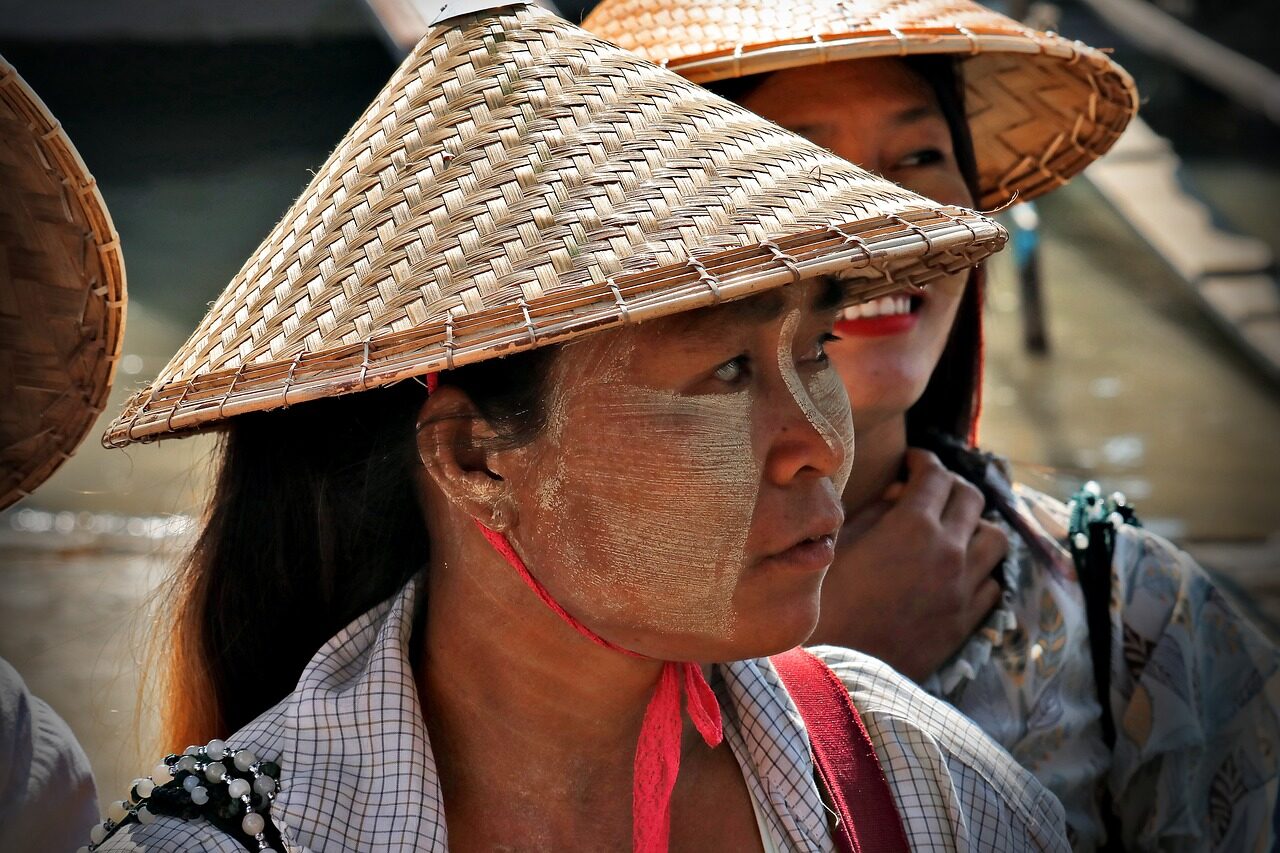
Across Southern Thailand, thousands of people from Myanmar have come seeking safety, opportunity, and a better future for their families. They work in hotels, restaurants, construction, fishing, agriculture, and many other industries that help the region thrive.
Many have lived here for years, raising families while navigating the challenges of life far from home. Behind every job is a person with hopes, dreams, and a story worth knowing.
Community Close to Home
Unlike the large refugee communities found along Thailand’s western border, most Burmese people in Southern Thailand are migrant workers and their families.
In places like Khao Lak, Takua Pa, Phuket, and throughout the Andaman coast, they are woven into everyday life. You may meet them at local markets, restaurants, hotels, construction sites, or schools.
Building friendships often begins with simple conversations, shared meals, and learning to appreciate one another’s cultures.
Defining “Burmese”
More Than One Culture
Burmese “tribes” commonly found in Southern Thailand include:
Each group has its own language, traditions, and history, making every community unique.
Why Many Burmese Come to Southern Thailand
Southern Thailand offers employment opportunities that are difficult to find in many parts of Myanmar.
Many work in:
Fishing
Tourism
Local Business
Manual Labor
Many workers send part of their income home to support parents, spouses, and children who remain in Myanmar.
Life Away From Home
Living in another country brings both opportunity and challenge.
Many Burmese families work long hours while learning a new language, adapting to a different culture, and navigating visas and employment regulations.
Children may grow up speaking both Thai and their family’s native language, creating a unique blend of cultures and identities.
Simple acts of friendship and hospitality can make a significant difference in helping people feel welcomed and valued.
Building Relationships
One of the greatest opportunities in Southern Thailand is simply becoming a good neighbor.
Whether through English classes, children’s activities, community meals, sports, or everyday conversations, genuine relationships open doors for encouragement, friendship, and hope.
Many lasting friendships begin with ordinary moments.
F.A.Q.
Frequently Asked Questions
Southern Thailand has a strong demand for workers in tourism, construction, fishing, agriculture, and service industries. Many people from Myanmar come seeking employment and greater opportunities to support their families.
Yes. Throughout Southern Thailand there are Burmese-speaking fellowships and churches representing several ethnic backgrounds. Many meet in homes, rented buildings, or community spaces and provide spiritual support as well as practical care for workers and families.
No. Myanmar is home to many different ethnic groups and languages. While Burmese (Myanmar language) is the national language, many people also speak Karen, Mon, Dawei, Shan, or other local languages in addition to Burmese.
Most Burmese people in Southern Thailand are migrant workers rather than refugees. While some have fled conflict or hardship, many have come through legal employment pathways or long-established migration networks.
Common challenges include language barriers, work permits and documentation, separation from extended family, access to education and healthcare, and adjusting to life in another country. Despite these challenges, many have built strong communities and contribute greatly to life in Southern Thailand.
Start with genuine friendship. Learn a few words of greeting, listen to people’s stories, show hospitality, and respect their culture and background. Relationships built on trust often have the greatest lasting impact.
Could this be part of your story?
The Burmese community is an important part of everyday life in Southern Thailand. Whether you’re teaching English, serving on an outreach team, sharing meals, or simply getting to know your neighbors, every conversation is an opportunity to build meaningful relationships.
Explore opportunities to serve alongside local communities and discover how ordinary friendship can make an extraordinary difference.

YWAM Khao Lak
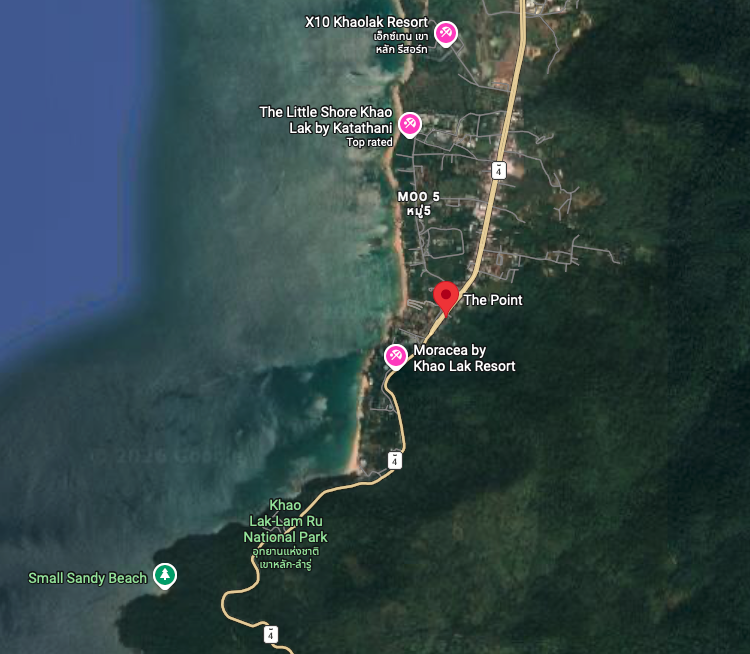
We operate from The Point—a place to Gather, Grow, and Go into Khao Lak, Southern Thailand, and throughout Asia.
The Point is a collaboratively run ministry, jointly operated by multiple organizations, focused on connecting people to Jesus.
EXPLORE
Khao Lak
Upcoming Events
GET INVOLVED
Explore Opportunities
Bring a Team
Serve Short-Term
Join Our Staff
Pray With Us
Give